
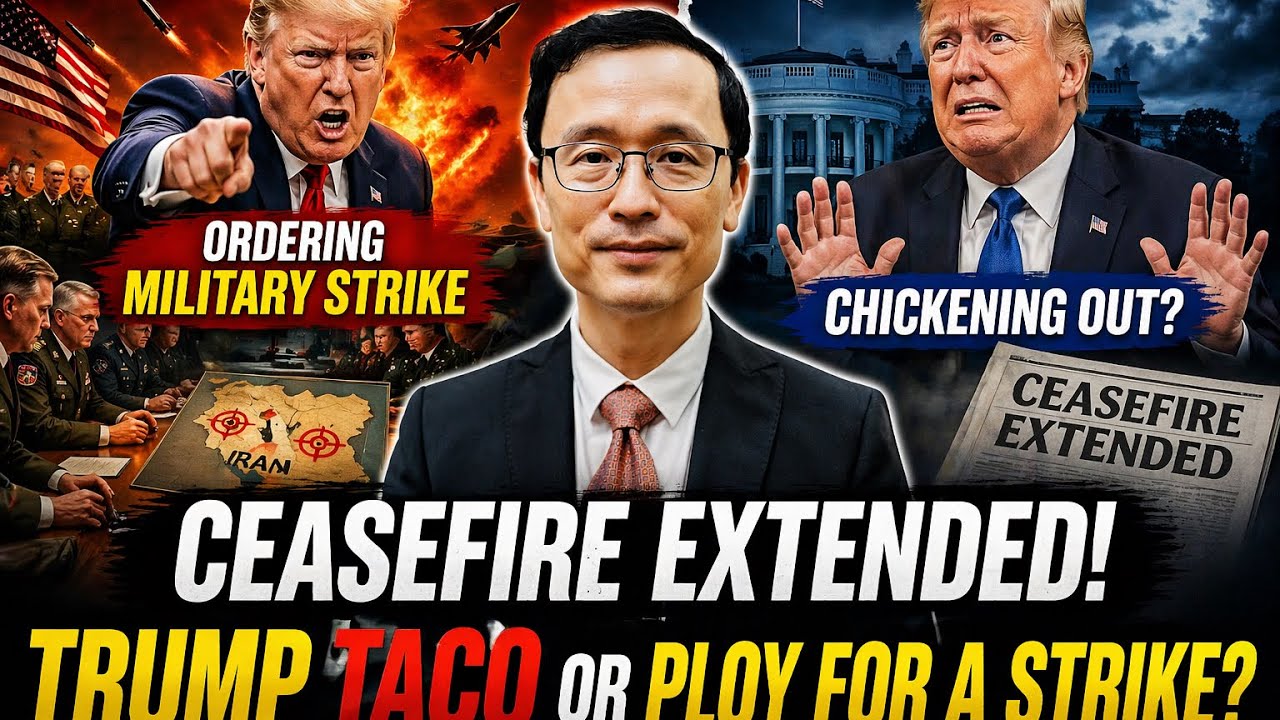
Summary
The **Trump administration** is considering military strikes against **Iran**, but the President has declined to provide a clear case for why such action is necessary, or why it must be taken now. This lack of transparency has sparked concerns among **Congress** and the **international community**, with many questioning the wisdom of such a move. The situation is further complicated by the fact that **Iran** has been accused of violating the **2015 nuclear deal**, but the **US** has already withdrawn from the agreement. As tensions escalate, the world watches with bated breath, wondering what the consequences of such an action might be. The **United Nations** has called for calm and restraint, while **European leaders** have urged the **US** to reconsider its approach. Meanwhile, **Iran** has vowed to defend itself if necessary, raising the stakes in an already volatile region.
Key Takeaways
- The **Trump administration** is considering military strikes against **Iran**
- The **US** has already withdrawn from the **2015 nuclear deal**
- The situation is complex, with multiple factors at play
- The potential consequences of a **US**-**Iran** conflict are far-reaching
- The **international community** is calling for calm and restraint
Balanced Perspective
The situation is complex, with multiple factors at play. On one hand, **Iran**'s actions have raised concerns about **regional stability** and the potential for **nuclear proliferation**. On the other hand, the **US** has a history of intervening in the region, often with mixed results. As the **Trump administration** weighs its options, it must consider the potential consequences of its actions, including the impact on **global oil prices**, **regional security**, and the **future of international relations**. For a deeper understanding of the issues at play, see [[iran-nuclear-deal|Iran Nuclear Deal]] and [[us-foreign-policy|US Foreign Policy]].
Optimistic View
Some argue that a **US** strike against **Iran** could be a necessary step to prevent the country from developing **nuclear weapons**, and that the **Trump administration** is simply taking a strong stance against a rogue state. Others point out that **Iran** has been a destabilizing force in the region, and that a **US**-led intervention could help to bring stability to the area. However, this perspective is not universally shared, and many experts warn that such an action could have unintended consequences, such as strengthening **Iran**'s resolve to develop **nuclear weapons**, or sparking a wider **regional conflict**. See [[nuclear-proliferation|Nuclear Proliferation]] and [[middle-east-geopolitics|Middle East Geopolitics]] for more information.
Critical View
Many experts warn that a **US** strike against **Iran** would be a catastrophic mistake, with the potential to spark a wider **regional conflict** and destabilize the entire **Middle East**. Others point out that the **Trump administration**'s lack of transparency and clear justification for its actions is a cause for concern, and that the **US** may be rushing into a situation without fully considering the consequences. As the situation continues to unfold, it remains to be seen whether the **US** will take a more measured approach, or whether the **international community** will be able to find a way to de-escalate the situation. See [[middle-east-conflict|Middle East Conflict]] and [[us-iran-relations|US-Iran Relations]] for more information.
Source
Originally reported by The New York Times